
 فارسی
فارسی

Knowledge & Experience

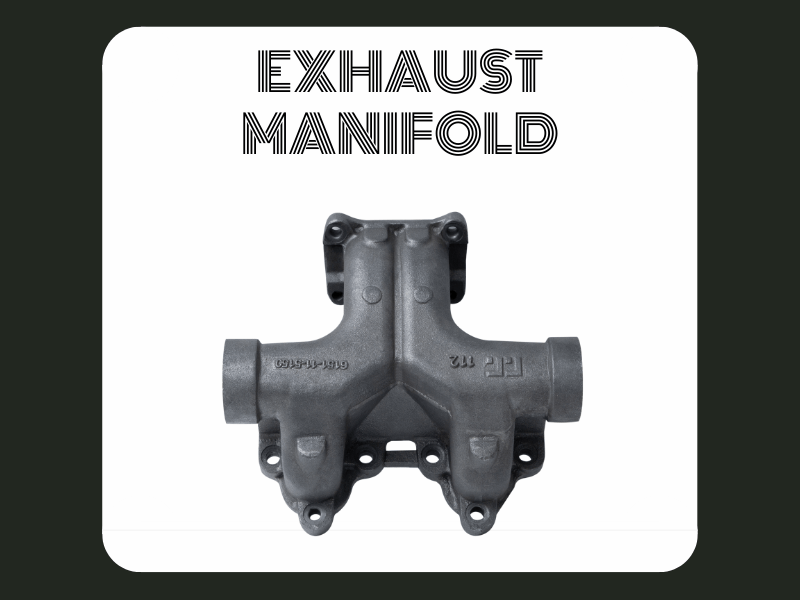
In the engines of mining and construction machinery, manifolds are generally divided into two types: intake manifolds and exhaust manifolds, each serving a different purpose. In this section, we focus on the exhaust manifold.
The exhaust manifold plays an important role in the proper operation of the engine and efficient combustion. The exhaust manifold has an individual passage for each exhaust port on the engine cylinder head. These passages eventually merge into a single exhaust channel. A specialized gasket is used to prevent exhaust leaks between the manifold and the cylinder head.
The primary function of the exhaust manifold is to collect and direct exhaust gases away from the engine. It also helps reduce engine noise during the initial stage of the exhaust process.
Depending on its design, an exhaust manifold can retain and concentrate the heat generated by exhaust gases. This can help burn any remaining unburned fuel after combustion and improve the efficiency of the exhaust system.
In mining and construction machinery, the exhaust gas path typically leads to the turbocharger. Therefore, the exhaust manifold also plays an important role in directing the high-energy exhaust gases toward the turbocharger, providing the energy required to drive its turbine.
The exhaust manifold we choose should be properly designed, manufactured, and packaged in accordance with the required standards and specifications. The quality and condition of the exhaust manifold are among the most important factors affecting its service life and the proper operation of the exhaust system.
If the surface finish and machining tolerances of the manifold are inadequate, hot exhaust gases may leak from the assembled sections. Preventing such leaks requires a high level of precision throughout the manufacturing and assembly processes.
Maintaining an appropriate surface finish, accurate machining tolerances, and proper assembly can significantly reduce the risk of exhaust leaks and help ensure reliable performance and a longer service life for the manifold.
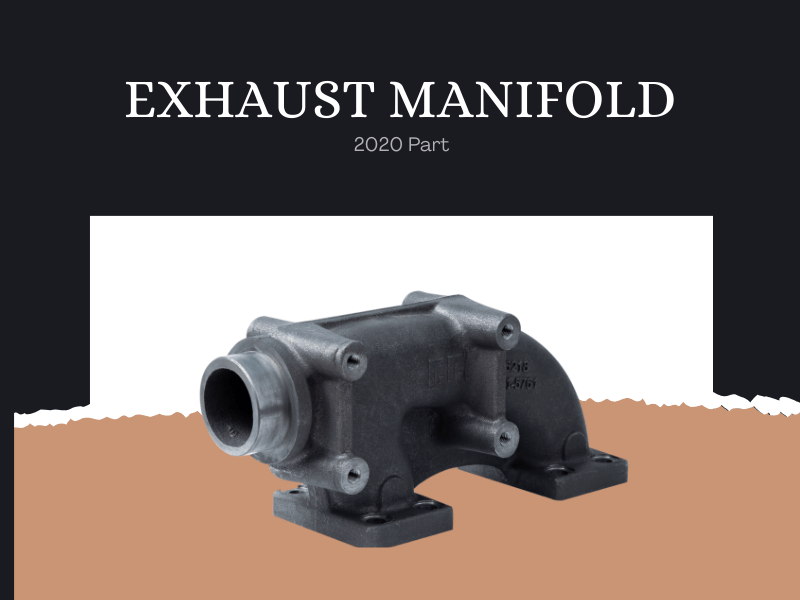

The first step in extending the service life of an exhaust manifold is proper manifold design, which should be carried out by the manufacturer based on the engine’s operating conditions and required specifications.
The next important factor is selecting the right material. In road construction and mining machinery, exhaust manifolds are generally manufactured from cast iron, although different engine models may require different cast iron alloys depending on their operating conditions and design specifications.
After the casting process, one of the most important factors is selecting and applying the appropriate heat treatment. Proper heat treatment helps relieve and modify the residual stresses generated during casting, improving the manifold’s structural integrity and extending its service life.
Proper operation and maintenance during machine use are also essential for increasing the service life of the exhaust manifold. For example, thermal shock should be avoided, as sudden temperature changes can cause cracks to develop in the manifold.
In addition, when the engine’s internal components operate correctly, combustion occurs more efficiently and completely. As a result, the exhaust gases entering the manifold are less likely to cause corrosion and damage associated with incomplete combustion.
One of the main factors that can lead to turbocharger failure is the use of low-quality exhaust manifolds. Poorly manufactured manifolds may not properly direct exhaust gases through the exhaust system, resulting in incorrect or inefficient gas flow.
This can cause exhaust gas flow velocity and pressure to deviate from the manufacturer’s specified operating conditions, placing excessive stress on the turbocharger and potentially causing premature failure.
At 2020 Parts Manufacturing Group, we have addressed this issue by combining up-to-date engineering knowledge with extensive experience and the expertise of professionals in the field. Through precise design and manufacturing processes, we strive to ensure proper exhaust gas flow and help protect the turbocharger while improving its reliability and service life.


Using low-quality exhaust manifolds in heavy machinery can lead to significant operating costs and serious mechanical problems. Some of the main consequences include:


The material used and the manufacturing quality of an exhaust manifold are among the most important factors affecting its performance, durability, and service life. Selecting the wrong alloy or applying an improper heat treatment during manufacturing can lead to premature manifold failure.
Such failures not only result in manifold replacement and repair costs, but also cause machine downtime, reducing equipment availability and potentially resulting in significant operational losses.
Small cracks in the exhaust manifold can allow hot exhaust gases to escape. In addition to posing a potential safety risk to the operator, these hot gases can damage the machine’s electrical wiring and other surrounding components.
At 2020 Parts Manufacturing Group, we use alloy ductile iron in the manufacturing of our exhaust manifold components to achieve high strength, durability, and resistance to demanding operating conditions.